What we doAdvanced technology at the service of recycling
At AMP, we have installed a recycling capacity of about 60.000 tons of postconsumer PET per year, which is the average amount of PET beverage and food packaging consumed and recovered in Italy in an area of approximately 12 million inhabitants (e.g., Emilia-Romagna, Veneto, and Tuscany). We obtain secondary raw material, thus avoiding the use of the same amount of virgin PET.
AMP and I.L.P.A. Group are making a concrete and positive contribution to solving the potential problem of plastic packaging waste and achieving recycling targets in Italy and Europe, thus working to improve the environment of the communities in which they operate
The total output of AMP’s two recycling lines is 40-45,000 tons per year. But in the recycling industry, production capacity is just one of the key elements for becoming a leader. Furthermore, quality is the other critical element that can distinguish between leaders and followers. AMP’s modern, cutting-edge, and energy-efficient production systems also include several sets of bottles and flakes detectors, as well as laser sorting units.
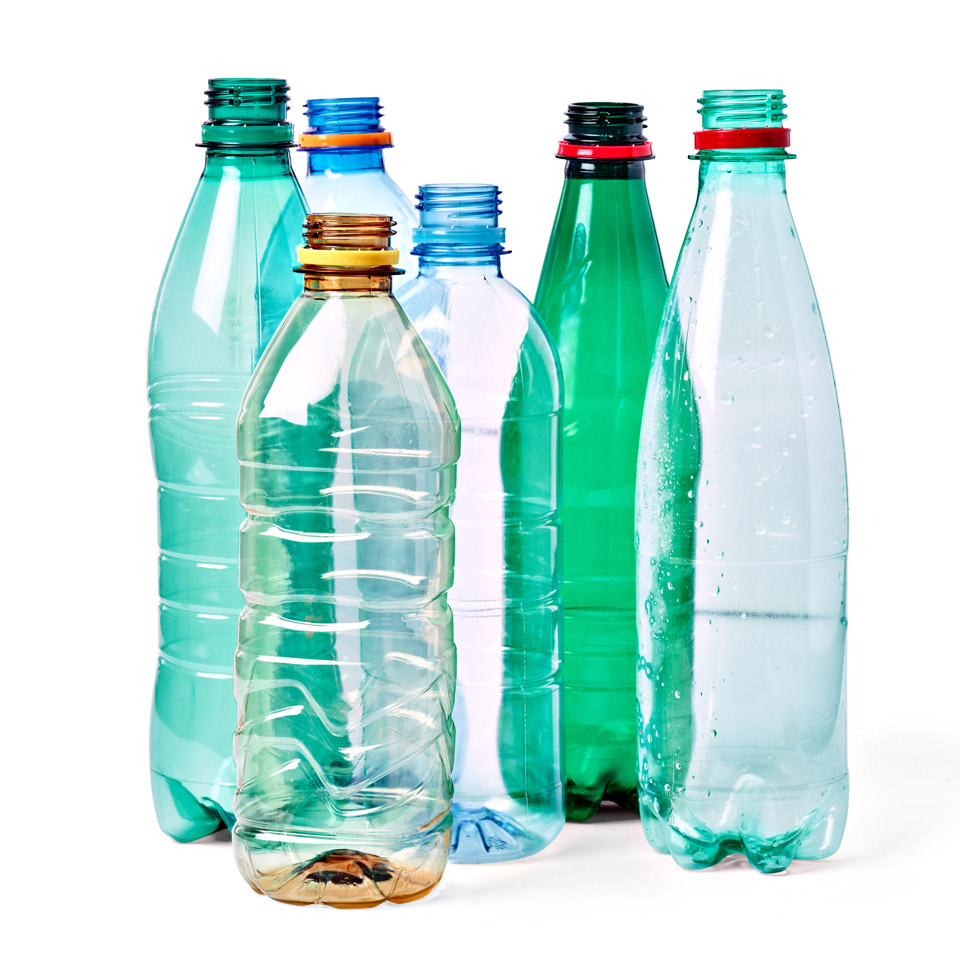
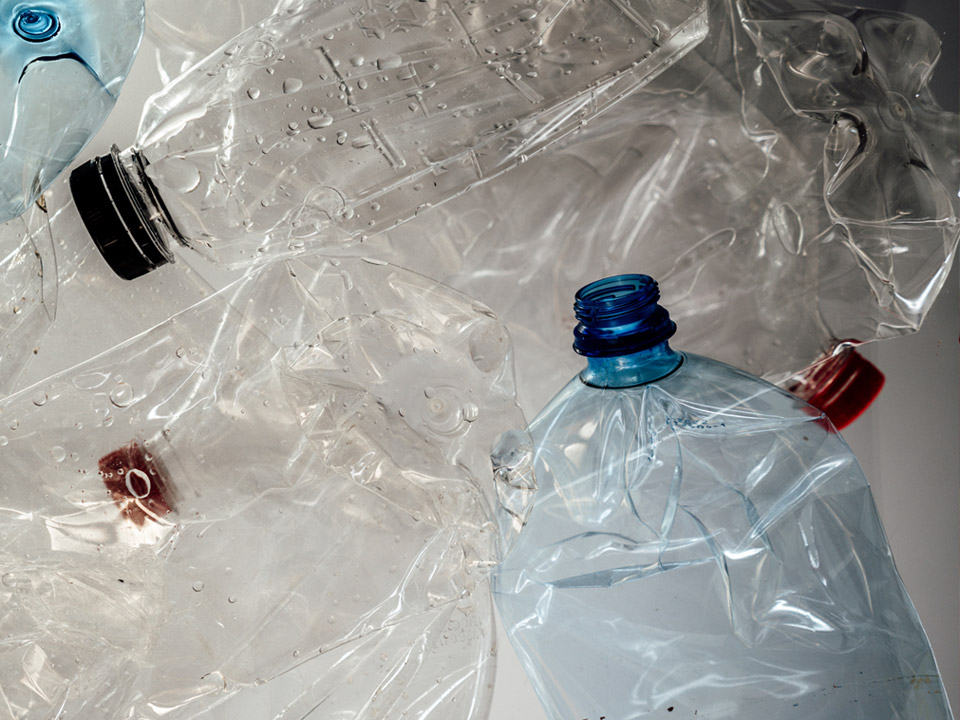
AMP is a European recycling center of excellence, converting waste PET bottles and trays into high-quality secondary raw materials that it supplies to the ILPA Group companies and to selected European customers. AMP products are Recyclass certified and bales of post-consumer bottles and trays are carefully sourced only from selected European suppliers, to ensure consistency and uniformity in overall quality and color, as well as to guarantee the highest levels of safety for customers and consumers.
The production steps
Sorting
- Metal separation: ferrous and not ferrous
- Aeraulic separation for film
- Label remover
- Ballistic separation
- Polymers and colours detection (with laser sorting)
- Manual re-sorting
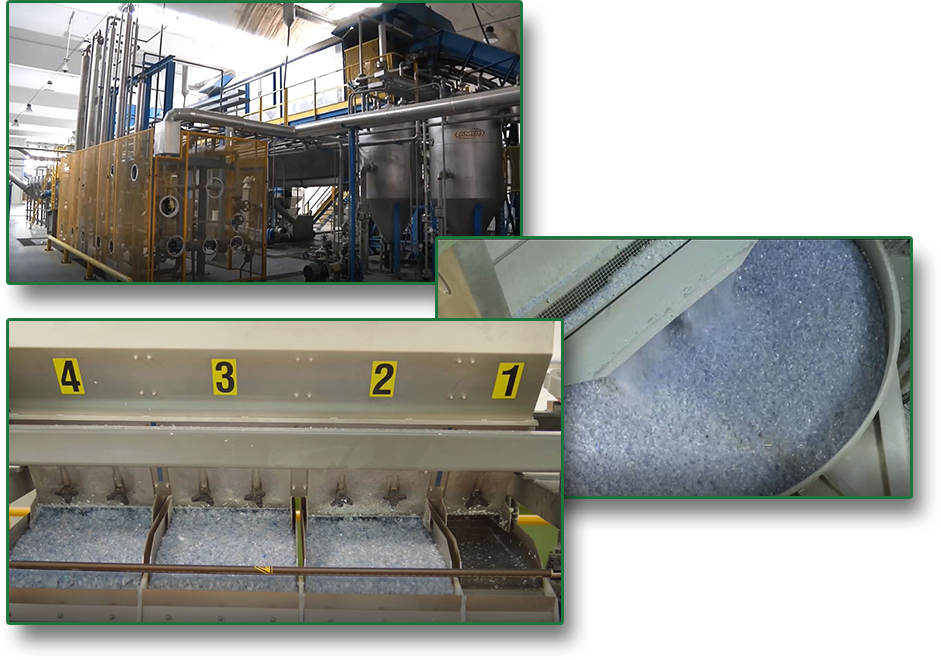
Washing
- Grinders
- Hot washing
- Swim-sink procedure
- Drying
- Mixing silos
- De-dusting
- Coarse-grit separation
- Flakes sorting: metals; polymers; colours
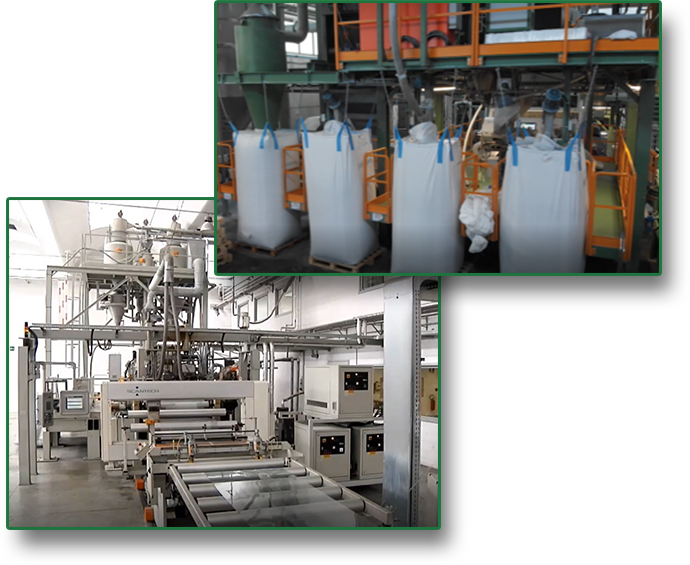
Packing Extrusion
- Flakes packaging
- Flakes extrusion
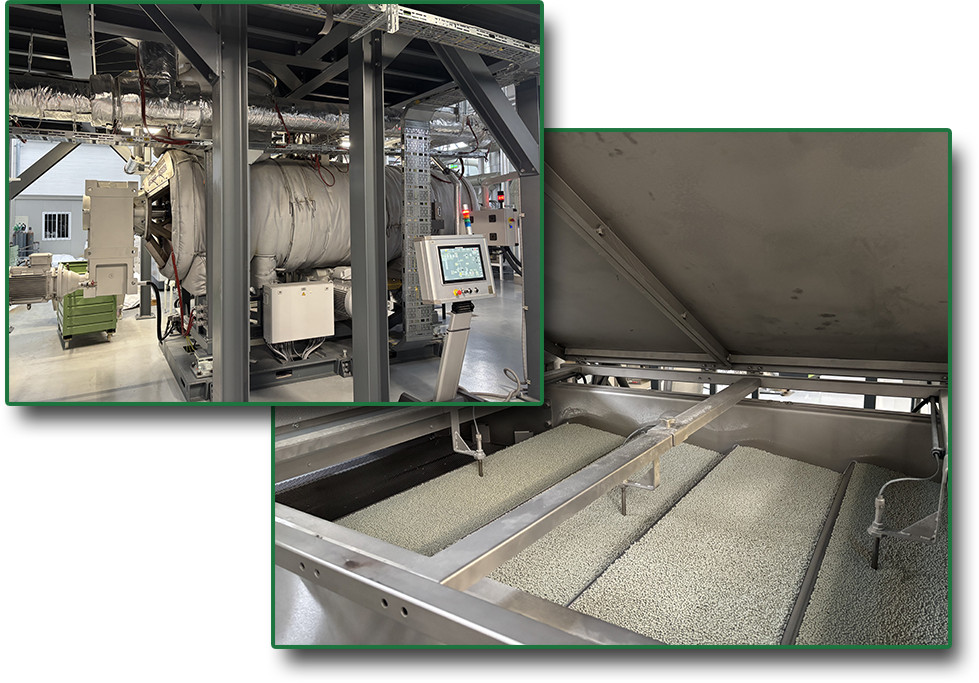
Pellet Extrusion
- Dosing system
- Crystallization
- Extrusion
- LSP Reactor
- Die-face cutting
- Hot screening unit
- AA removal system
- Cooling silo
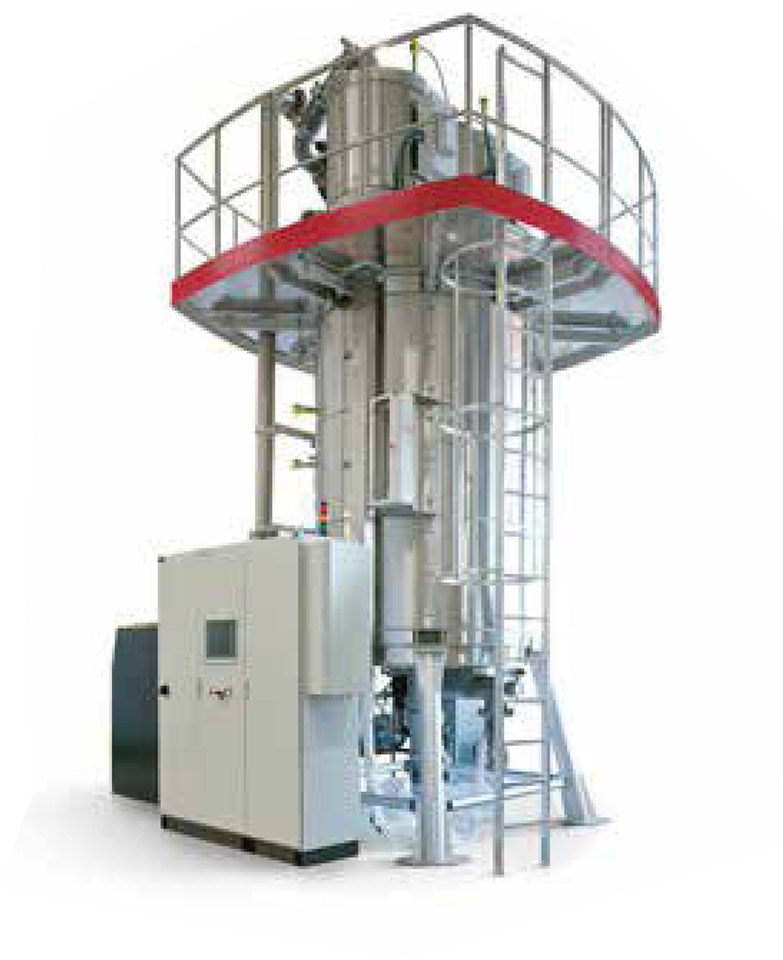
Once flake processing is complete, they are packaged into bags, ready for delivery. Alternatively, they can be sent directly to the extrusion lines for transformation into R-PET reels.
AMP: the added value
- Qualification of suppliers
- Control of the feedstock supply
- Constant quality checks and internal lab tests
- Quality of the input stream
- Control of the contaminant
- Continuity and consistency of supply
- High quality R-PET flakes
- EuCertPlast + EuCertPlast food certifications
- Control over the “superclean process“ for direct food contact: EFSA approved 100% R-PET